
A July Gratitude Challenge: Noticing the Good in the Heart of Summer
July often arrives with a different energy. The days are long, nature is alive, and many of us feel pulled toward slowing down, gathering with others, and spending more time outdoors. Yet even in summer, it’s easy to move quickly through life without fully experiencing it.
Gratitude offers a way to pause and reconnect.
Not the forced kind of gratitude that ignores difficulty, but the grounded practice of noticing what is nourishing, meaningful, comforting, or beautiful in everyday life.
Research studies show that gratitude practices can improve mood, increase resilience, strengthen relationships, and help people savor positive experiences more fully.
This July, instead of focusing on achievement or productivity, consider a different kind of challenge: What if you spent the month learning how to notice what’s already here?
1. Redefine Gratitude as Awareness, Not Perfection
Many people think gratitude means always feeling positive or appreciative. But gratitude is really about attention.
It’s the practice of noticing:
What supports you
What brings small moments of joy
What helps you feel alive, connected, or at ease
Some days gratitude may come easily. Other days it may feel quieter or harder to access.
That’s okay. The goal isn’t to create a “perfectly grateful” month. The goal is to become more aware of the moments that often pass unnoticed.
2. Begin with Everyday Summer Pleasures
Summer naturally provides opportunities for sensory and emotional experiences that are easy to overlook.
For the first week of July, focus on noticing simple seasonal pleasures.
You might reflect on:
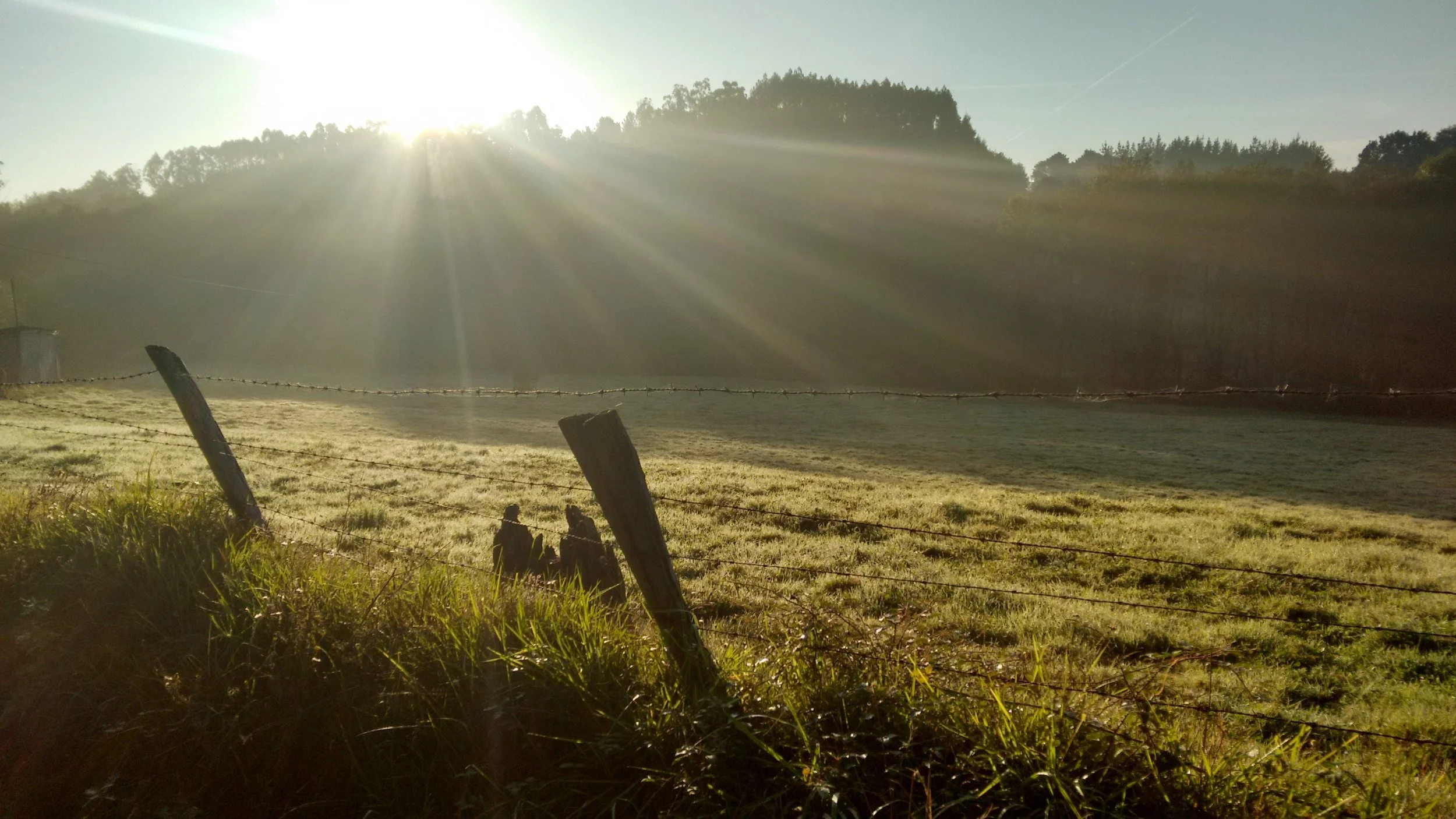
The warmth of sunlight in the morning
Fresh berries, peaches, or summer meals
Time outside in the evening
The sound of birds, water, or wind
Laughter during a conversation or gathering
The more specific you are, the more powerful the practice becomes.
Instead of writing:
“I’m grateful for summer”
Try:
“I’m grateful for the quiet walk I took at 9 p.m. while the sky was still light.”
Specificity deepens experience.
3. Create a Gentle Daily Practice
A gratitude practice doesn’t need to be time-consuming.
In fact, simple and consistent tends to work better than elaborate and unsustainable.
Possible approaches:
Write down 3 things each evening
Take one photo a day of something meaningful
Share one moment of gratitude with a friend or partner
Pause briefly during meals or outdoor time to notice your surroundings
Resources from Mindful suggest that combining mindfulness with gratitude can increase awareness and emotional well-being.
The key is repetition—not perfection.
Things to consider:
Create a habit – with your morning coffee, or as you get ready for bed, determine how you might want to cultivate gratitude – journal, spend 5 minutes being thankful for today
When you go for a walk or are outside, take the time to look around and savor what brings a smile to your face
As part of engaging in activities throughout the day, notice something you are grateful for within or because of that activity
When you see someone, as part of connecting, identify one thing you are grateful for about that person/the relationship/etc.
4. Expand Gratitude Beyond “Big” Moments
One of the most meaningful shifts in gratitude practice happens when we stop waiting for extraordinary experiences. July doesn’t have to be filled with vacations or major events to be memorable.
Look for gratitude in ordinary experiences:
A cool breeze after a hot day
A conversation that made you feel understood
A quiet cup of coffee before others wake up
Finishing work early enough to enjoy the evening light
These moments often shape our sense of well-being more than major milestones.
5. Practice Gratitude Through Connection
Summer often creates more opportunities for social connection—barbecues, visits, road trips, community events. Gratitude can strengthen these experiences when expressed outwardly.
This week, consider:
Thanking someone specifically for how they impact your life
Sending a short message of appreciation
Reflecting on relationships that sustain you
Research highlights the strong connection between gratitude, relationships, and emotional health.
Gratitude not only helps us notice goodness—it helps us reinforce connection.
6. Include Yourself in the Practice
Many people find it easier to appreciate others than themselves.
This challenge also invites you to recognize your own efforts, growth, and needs.
You might acknowledge:
Ways you’ve shown resilience this year
Boundaries you’ve set
Rest you’ve allowed yourself to take
Small risks or changes you’ve made
Self-directed gratitude isn’t arrogance—it’s recognition.
7. Use Nature as a Gratitude Anchor
July is one of the easiest months to reconnect with the natural world.
Spending time outdoors can help ground gratitude in direct experience rather than abstract thinking.
The practice of Forest Bathing encourages people to immerse themselves in nature through observation and presence, which has been associated with reduced stress and improved mood.
Try this simple exercise:
Sit outside for 10 minutes
Notice 5 things you can see
Notice 4 things you can hear
Reflect on one thing you appreciate in that moment
You don’t need a wilderness retreat. Presence matters more than location.
A Simple 31-Day July Gratitude Challenge
You can approach this challenge flexibly or use prompts like these:
Gratitude for a summer food
Gratitude for a place nearby
Gratitude for your body and what it allows you to do
Gratitude for a memory
Gratitude for someone who makes life easier
Gratitude for a quiet moment
Gratitude for something beautiful you noticed outdoors
Keep it light. Keep it real.
Bringing It All Together
A gratitude practice won’t eliminate stress or make every day feel magical. But it can gently shift how you move through your life.
This July, gratitude can become:
A way of slowing down
A way of savoring summer
A way of reconnecting with what matters
A way of noticing “enoughness” in ordinary moments
You do not need to create a perfect summer to experience joy and meaning within it.
Sometimes, the most restorative thing we can do is simply learn to notice what is already here. So what does your July gratitude practice look like and how might you challenge yourself? Can you connect your gratitude practice with another habit you already have, like a walk, coffee or meal?
I am going to commit to completing my 5 minute journal - morning and evening reflections every day in July. For the past year, I complete them on average once per week, other times in my life, I have been more consistent. So my July challenge is to be more consistent. Participating in my 5 minute journal reflections consistently increases the positivity in my outlook.
