
The Power of Celebration: Why It Matters More Than You Think
Celebration is often treated as optional — something we do when there’s extra time, money, or energy.
But across cultures and throughout history, celebration has been essential. It marks meaning. It strengthens bonds. It creates memory.
From weddings and graduations to small personal wins, celebration is not indulgent — it is developmental.
Psychologist Martin Seligman, a leader in positive psychology, has shown that savoring and acknowledging positive events increases well-being and life satisfaction. In other words, celebration isn’t fluff — it is fuel.
Let’s explore why we celebrate, how we celebrate, and what it does to us internally.
Why We Celebrate
Celebration serves psychological, social, and even biological functions.
1. To Mark Milestones
We celebrate:
Birthdays
Graduations
Weddings
Promotions
Retirement
These rituals help us transition from one life stage to another. Anthropologist Arnold van Gennep described rites of passage as structured rituals that help individuals move through major life changes with community support.
Without marking transitions, life can blur together.
2. To Reinforce Achievement
Celebrating success reinforces effort.
Research on motivation suggests that recognizing progress strengthens future persistence. Even small acknowledgments trigger dopamine responses in the brain, reinforcing behavior.
Celebration says:
This mattered. You mattered.
3. To Strengthen Community
Collective celebration deepens belonging.
The long-running Harvard Study of Adult Development from Harvard University has consistently found that strong relationships are key predictors of long-term happiness and health.
Shared celebration builds shared memory — and shared memory builds connection.
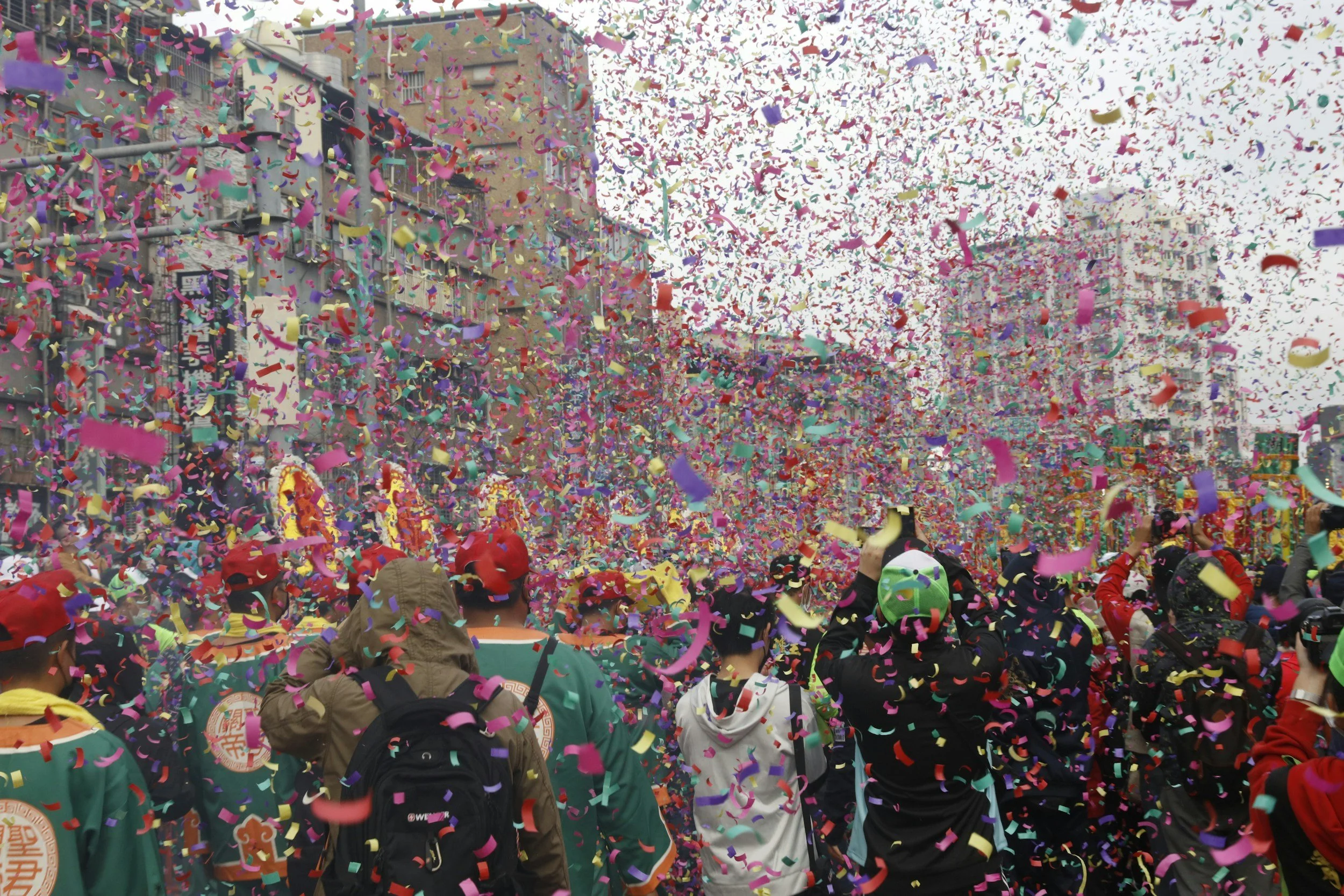
4. To Preserve Cultural Identity
Celebrations often carry historical and spiritual meaning.
For example:
Diwali symbolizes light overcoming darkness.
Eid al-Fitr marks the end of Ramadan with communal gratitude.
Thanksgiving emphasizes gratitude and gathering.
Lunar New Year celebrates renewal and prosperity.
These celebrations do more than entertain — they transmit values across generations.
Different Ways to Celebrate
Celebration does not have to mean extravagance.
Personal Celebrations
Journaling accomplishments
Taking yourself to dinner
Buying a symbolic gift
Reflecting on growth
Personal rituals matter, especially when external validation is absent.
Relational Celebrations
Hosting small gatherings
Writing appreciation notes
Toasting achievements
Creating shared traditions
Celebrating others strengthens bonds and communicates value.
Cultural or Community Celebrations
Participating in religious observances
Engaging in neighborhood events
Volunteering in communal traditions
These create collective identity and belonging.
Micro-Celebrations
Research on “capitalization” — the act of sharing positive news — suggests that actively responding to good news enhances relationship satisfaction (Gable et al., 2004).
Micro-celebrations include:
Sharing good news with enthusiasm
Saying “I’m proud of you”
Pausing to acknowledge progress
Celebration does not require scale. It requires attention.
How Celebration Feels
Celebration can evoke:
Joy
A sense of lightness, expansion, energy.
Gratitude
Recognition of support, effort, and timing.
Pride
Healthy acknowledgment of effort and growth.
Belonging
Feeling seen and included.
But celebration can also bring unexpected emotions:
Discomfort
Some people struggle with being the center of attention.
Guilt
Especially for those conditioned to minimize achievements.
Grief
Major milestones can highlight who is missing or what has changed.
All of these responses are normal. Celebration surfaces meaning — and meaning is emotional.
What Gets in the Way of Celebration?
Despite its benefits, many people avoid celebrating.
Common barriers include:
“It’s not a big deal.”
Fear of appearing boastful
Cultural norms discouraging self-praise
Busyness and distraction
Perfectionism (“I haven’t done enough yet.”)
Psychologist Brené Brown notes that many people “dress rehearse tragedy” — preparing for disappointment instead of allowing joy.
Celebration requires vulnerability. It requires allowing something to feel good.
The Science of Savoring
Positive psychology research highlights savoring — intentionally noticing and extending positive experiences.
Seligman’s PERMA model (Positive emotion, Engagement, Relationships, Meaning, Accomplishment) emphasizes celebrating accomplishment as part of well-being.
Ways to savor:
Replay positive moments mentally
Express gratitude aloud
Capture milestones in writing or photos
Reflect on effort, not just outcome
Celebration increases awareness of what is working — not just what is lacking.
Creating Your Own Celebration Practice
You do not have to wait for society’s major milestones.
Consider building intentional celebration into your life:
Monthly Reflection Ritual
What did I complete?
What did I learn?
What am I proud of?
Achievement Jar
Write small wins on paper and collect them.
Cultural Exploration
Participate in or learn about global celebrations to expand perspective and connection.
Celebrate Others Actively
Be the person who remembers:
Anniversaries
Project completions
Quiet growth
Celebration multiplies when shared.
I have paid more attention in the last few years to the impact of celebration - birthdays and holidays - in bringing family and friends together and on the impact of working on collaborative change. A few years ago, I incorporated having a “close the loop” discussion when MI trainers were deciding not to facilitate training anymore. In that discussion we explored and celebrated the accomplishment of being a trainer and facilitating training for themselves and those who were trained. This discussion and its invitation to reflect changed the perspective to acknowledgement, celebration and an acceptance of closure from a unknown stop where those involved are unsure what they feel. Another initiative I have encouraged in the past year is celebrating the 10th year anniversary of programs/projects. I am not sure of the impacts of these celebrations, but intuitively I know they have had a ripple effect and without them, these effects would not have occurred.
How and what do you and those around you celebrate?
Final Reflection
Celebration is not denial of hardship.
It is recognition of life within it.
Across cultures, across centuries, humans have gathered to mark light in the darkness, harvest after labor, growth after struggle.
Celebration tells the nervous system:
You made it.
You belong.
This matters.
In a world that constantly pushes toward the next task, celebration invites pause.
And sometimes, pause is what transforms existence into meaning.
